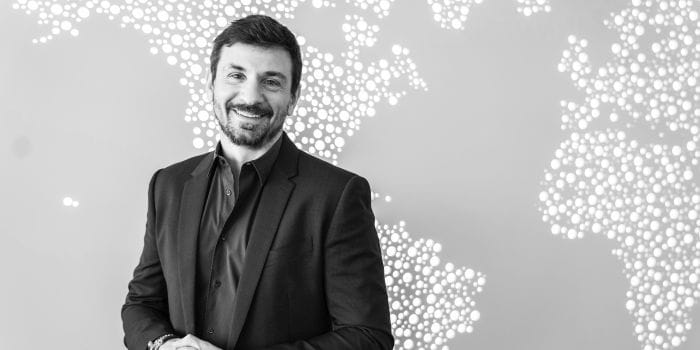
Oscar di Montigny è uno scrittore, divulgatore e speaker a livello internazionale. La sua caratteristica distintiva è quella di saper armonizzare il management con arte, filosofia e scienza. Passando per la consulenza strategica e l’analisi dei grandi scenari e dei mega trend, si occupa di questioni come innovazione, sostenibilità, impatto, corporate education, marketing e comunicazione, società e futuro, con modi morbidi, colti e confortanti.
Grazie per aver accordato quest’intervista. Partiamo dal difficile. Lo spunto passa attraverso V. Hugo e W. Shakespeare, due conoscitori della natura umana assai diversi e in epoche diverse. Nei tuoi video spesso ti rifai alla filosofia, e alla coscienza. Ecco, oggi il meccanismo dall’alto non sembra vertere più sui concetti canonici. Bensì, di primo acchito sembrerebbe riscrivere idee e valori per ottenere un controllo delle energie, una sorta di “cupola del calore” sulle persone in ottica mercantilista. L’alta pressione spinge e schiaccia l’aria verso il basso. Percepisci anche tu questa sensazione, questa frequenza generale guardando il mondo oggi (Ghoshal l’avrebbe definito come “the smell of the place”?
Più che una pressione, percepisco una contrazione. L’essere umano contemporaneo è diventato un grande pianificatore dell’ansia. Ci hanno insegnato a proteggerci da ciò che potrebbe accadere, ma raramente a domandarci profondamente cosa vogliamo essere. Viviamo in un’epoca in cui l’essere umano rischia, così, di ridursi alla sola dimensione economica, algoritmica e funzionale. Una sorta di appiattimento dell’esistenza che porta a credere che tutto ciò che conta possa essere misurato, monetizzato o ottimizzato. Ma la vita non è una linea. La vita è una Sfera. La corrente dello Sferismo, e il movimento culturale che ho lanciato per incarnarla nella vita reale, nasce proprio da questa consapevolezza: ogni realtà è multidimensionale, ogni essere umano è contemporaneamente corpo, cuore, mente, anima e spirito. Quando una sola dimensione prende il sopravvento sulle altre, si genera squilibrio, disarmonia. Non credo esista una singola cabina di regia che governa il mondo. Credo piuttosto che esistano forze, interessi, flussi e campi energetici, emanazioni di entità, che attraverso manipolazioni e paure, approfittando dell’inconsapevolezza di una buona parte dell’umanità e del suo stato di non-coscienza, per mantenerla ad un livello di controllo per evitare un salto evolutivo. Il vero rischio però non è il controllo esterno ma l’abbandono della nostra sovranità interiore. Come ricordava Rudolf Steiner, la più grande schiavitù non consiste nell’essere dominati da qualcuno, ma nel non sapere chi siamo. Conseguentemente, aveva intuito che la più grande crisi dell’umanità non sarebbe stata economica. Sarebbe stata spirituale. Avremmo iniziato a guardare l’essere umano soltanto dall’esterno, dimenticando la sua dimensione più profonda.
Shakespeare scorgeva e presentava a teatro l’astuzia subdola e individualista. Nell’ Otello, attraverso una serie di eventi, nell’Atto 1, Scena 1, Iago parla a Rodrigo. Qui egli ammette che in realtà sta perseguendo i propri interessi: “Lo seguo per servirmi a sua volta” (l’eterno gioco morboso tra i soggiogati e soggiogatori, lupus est homo homini). Come un ologramma a ripetizione storica, non si capisce mai bene chi manovra chi nelle grandi scelte geopolitiche. Lo captiamo quotidianamente. Ci puoi aiutare a capire un po’ meglio cosa sta succedendo davvero?
Stiamo attraversando una crisi di coscienza. Le crisi economiche, ambientali, geopolitiche e sociali sono soltanto manifestazioni esteriori di una crisi più profonda: la separazione. Separazione tra individuo e comunità. Separazione tra economia e umanità. Separazione tra progresso e saggezza. Separazione tra conoscenza e coscienza. Per secoli abbiamo costruito sistemi basati sulla competizione. Oggi quei sistemi mostrano i propri limiti. L’Economia Sferica nasce come tentativo di superare questa frammentazione. Non propone di sostituire il mercato, ma di reintegrarlo in una visione più ampia dove il profitto non sia il fine ma una conseguenza del valore generato per la vita. Perché ogni economia che non genera benessere umano, prima o poi genera sofferenza sociale.
I bravi insegnanti non insegnano solo materie ma anche la prospettiva in un’ottica più olistica che fornisce strumenti all’alunno per il suo bene futuro, segnano. Il sistema pare remi al contrario. Quindi con l’avvento IA come si evolveranno la scuola e la cultura (arte, filosofia, ecc.)? Avranno ancora lo stesso significato in un sistema altamente parcellizzato e in una narrativa omologata? In fin dei conti, godere delle arti è un lusso terapeutico…
L’IA ci costringerà a riscoprire ciò che non può essere automatizzato. Paradossalmente l’intelligenza artificiale potrebbe diventare il più grande maestro dell’intelligenza umana. Perché mentre le macchine apprenderanno a elaborare informazioni, gli esseri umani dovranno imparare a sviluppare discernimento, intuizione, coscienza e senso. Roger Penrose – matematico, fisico teorico, collaboratore di Stephen Hawking e Premio Nobel per la Fisica per i suoi studi sui buchi neri, considerato una delle menti più brillanti del nostro tempo – da decenni porta avanti una riflessione che oggi torna sorprendentemente attuale: forse stiamo attribuendo alla macchina qualcosa che appartiene a un livello più profondo dell’essere umano. La sua tesi non riguarda semplicemente la tecnologia. Riguarda la coscienza. E se poi il più grande equivoco dell’Intelligenza Artificiale fosse nascosto proprio nel termine “intelligenza”? Per Penrose, l’intelligenza autentica non può essere separata dall’esperienza cosciente. Elaborare informazioni, riconoscere schemi, apprendere correlazioni o produrre risposte corrette potrebbe non essere sufficiente. Perché comprendere non significa necessariamente calcolare. Esiste una distinzione interessante anche nella lingua inglese che in italiano tendiamo a perdere: ‘clever’ indica qualcuno di abile, rapido, brillante nel risolvere problemi, capace di trovare strategie efficaci; ‘intelligent, invece, richiama qualcosa di più profondo: la capacità di comprendere, cogliere significato, integrare esperienza, consapevolezza, intuizione e senso. Una macchina può essere straordinariamente clever. Può riconoscere pattern, apprendere relazioni, produrre risultati sorprendenti e persino sembrare umana. Ma Penrose ci invita a chiederci se questo significhi davvero essere intelligent. Perché una domanda resta aperta: chi sta vivendo quell’esperienza? Esiste infatti una differenza sostanziale tra produrre una risposta e avere un’esperienza interiore di quella risposta. La coscienza non è soltanto conoscenza. Non è memoria. Non è velocità di calcolo. È presenza. È esperienza vissuta. È quella dimensione interiore da cui emergono intuizione, significato, consapevolezza e, forse, persino la capacità di attribuire senso alla realtà. Forse la domanda più importante oggi quindi non è “Quanto diventeranno intelligenti le macchine?” ma “Possiamo chiamare intelligenza qualcosa che non possiede coscienza?” Perché il rischio non è tecnologico. È antropologico. Potremmo arrivare a costruire macchine sempre più potenti senza aver ancora compreso fino in fondo ciò che rende umano l’essere umano. La scuola del futuro non potrà quindi limitarsi a trasmettere nozioni. Dovrà aiutare le persone a diventare pienamente umane. È questo il cuore della Humanovability®: la capacità di integrare innovazione, sostenibilità e umanità. L’arte, la filosofia, la spiritualità e la bellezza non saranno un lusso. Diventeranno una necessità. Perché quando tutto sarà accessibile, ciò che farà la differenza sarà la qualità della nostra interiorità.
Interview with Oscar di Montigny, first part
Oscar di Montigny is an international writer, educator, and speaker. His distinctive trait is his ability to harmonize management with art, philosophy, and science. Through strategic consulting and the analysis of major scenarios and megatrends. He addresses issues such as innovation, sustainability, impact, corporate education, marketing and communication, society, and the future, using a gentle, cultured, and comforting approach.
Thank you for agreeing to this interview. Let’s start with the difficult part. The inspiration comes from V. Hugo and W. Shakespeare, two very different experts on human nature from different eras. In your videos, you often draw on philosophy and consciousness. Now, the top-down mechanism no longer seems to focus on canonical concepts. Rather, at first glance, it seems to rewrite ideas and values to achieve energy control, a sort of “heat dome” over people from a mercantilist perspective. High pressure pushes and presses the air downward. Do you also get this sensation, this general frequency, when looking at the world today (Ghoshal would have defined it as “the smell of the place”)?
More than pressure, I sense a contraction. Contemporary human beings have become master planners of anxiety. We’ve been taught to protect ourselves from what might happen, but rarely to deeply question what we want to be. We live in an era in which human beings thus risk being reduced to the mere economic, algorithmic, and functional dimension. A sort of flattening of existence that leads us to believe that everything that matters can be measured, monetized, or optimized. But life is not a line. Life is a Sphere. The current of thought of Spherism, and the cultural movement I launched to embody this in real life, arises precisely from this awareness: every reality is multidimensional, every human being is simultaneously body, heart, mind, soul, and spirit. When a single dimension takes precedence over the others, imbalance and disharmony arise. I don’t believe there is a single control room that governs the world. Rather, I believe that there are forces, interests, flows, and energy fields, emanations of entities, which, through manipulation and fear, take advantage of the unawareness and unconsciousness of a large portion of humanity, to keep it under control and prevent an evolutionary leap. The real risk, however, is not external control but the abandonment of our inner sovereignty. As Rudolf Steiner reminded us, the greatest form of slavery is not being dominated by someone but not knowing who we are. Consequently, he sensed that humanity’s greatest crisis would not be an economic one. It would be spiritual. We would begin to look at human beings only from the outside, forgetting their deeper dimension.
Shakespeare recognized and presented subtle, individualistic cunning on the stage. In Othello, through a series of events, in Act 1, Scene 1, Iago speaks to Rodrigo. Here he admits that he is pursuing his own interests: “I follow him to serve him in turn” (the eternal morbid game between the subjugated and the subjugators, lupus est homo homini). Like a hologram repeating historically, it’s never clear who’s manipulating whom in major geopolitical decisions. We experience it every day. Can you help us understand what’s really happening a bit better?
We are experiencing a crisis of conscience. The economic, environmental, geopolitical, and social crises are merely external manifestations of a deeper crisis: separation. Separation between the individual and the community. Separation between the economy and humanity. Separation between progress and wisdom. Separation between knowledge and conscience. For centuries, we have built systems based on competition. Today, those systems are showing their limits. The Spherical Economy was born as an attempt to overcome this fragmentation. It does not propose replacing the market but rather reintegrating it into a broader vision where profit is not the goal, but a consequence of value created by life. Because every economy that fails to generate human well-being, sooner or later generates social suffering.
Good teachers not only teach subjects but also a more holistic perspective that provides students with tools for their future well-being, they leave traces. The system seems to be going backwards. So, with the advent of AI, how will school and culture (art, philosophy, etc.) evolve? Will they still have the same meaning in a highly fragmented system and a standardized narrative? Ultimately, enjoying the arts is a therapeutic luxury.
AI will force us to rediscover what cannot be automated. Paradoxically, artificial intelligence could become the greatest teacher of human intelligence. Because while machines learn to process information, humans will have to learn to develop discernment, intuition, consciousness, and meaning. Roger Penrose—mathematician, theoretical physicist, Stephen Hawking’s collaborator, and winner of the Nobel Prize in Physics for his studies on black holes, considered one of the most brilliant minds of our time—has been pursuing a theory for decades that is surprisingly relevant today: perhaps we are attributing to machines something that belongs to a deeper level of human beings. His thesis isn’t simply about technology. It’s about consciousness. What if the greatest misunderstanding of Artificial Intelligence lies in the very term “intelligence”? For Penrose, true intelligence cannot be separated from conscious experience. Processing information, recognizing patterns, learning correlations, or producing correct answers may not be enough. Because understanding doesn’t necessarily mean calculating. There’s an interesting distinction in the English language that we tend to lose in Italian: “clever” indicates someone skilled, quick, and brilliant at solving problems, capable of finding effective strategies; whereas the term “intelligent”, evokes something deeper: the ability to comprehend, grasp meaning, and integrate experience, awareness, intuition, and sense. A machine can be extraordinarily clever. It can recognize patterns, learn relationships, produce surprising results, and even appear human. But Penrose invites us to ask whether this truly means being intelligent. Because one question remains open: who is experiencing it? There is, in fact, a substantial difference between producing a response and undergoing an internal experience to that response. Consciousness is not just knowledge. It is not memory. It is not calculation speed. It is presence. It is living experience. It is that interior dimension from which intuition, meaning, awareness, and perhaps even the ability to make sense of reality all emerge. Perhaps the most important question today, therefore, is not “How intelligent will machines become?” but “Can we call something that lacks consciousness intelligence?” Because the risk is not technological. It is anthropological. We could end up building increasingly powerful machines without yet fully understanding what makes human beings human. The future school cannot therefore limit itself to transmitting knowledge. It must help people become fully human. This is the heart of Humanovability®: the ability to integrate innovation, sustainability, and humanity. Art, philosophy, spirituality, and beauty will no longer be a luxury. They will become a necessity. Because when everything is accessible, the quality of our inner selves is what’s going to make a real difference.